

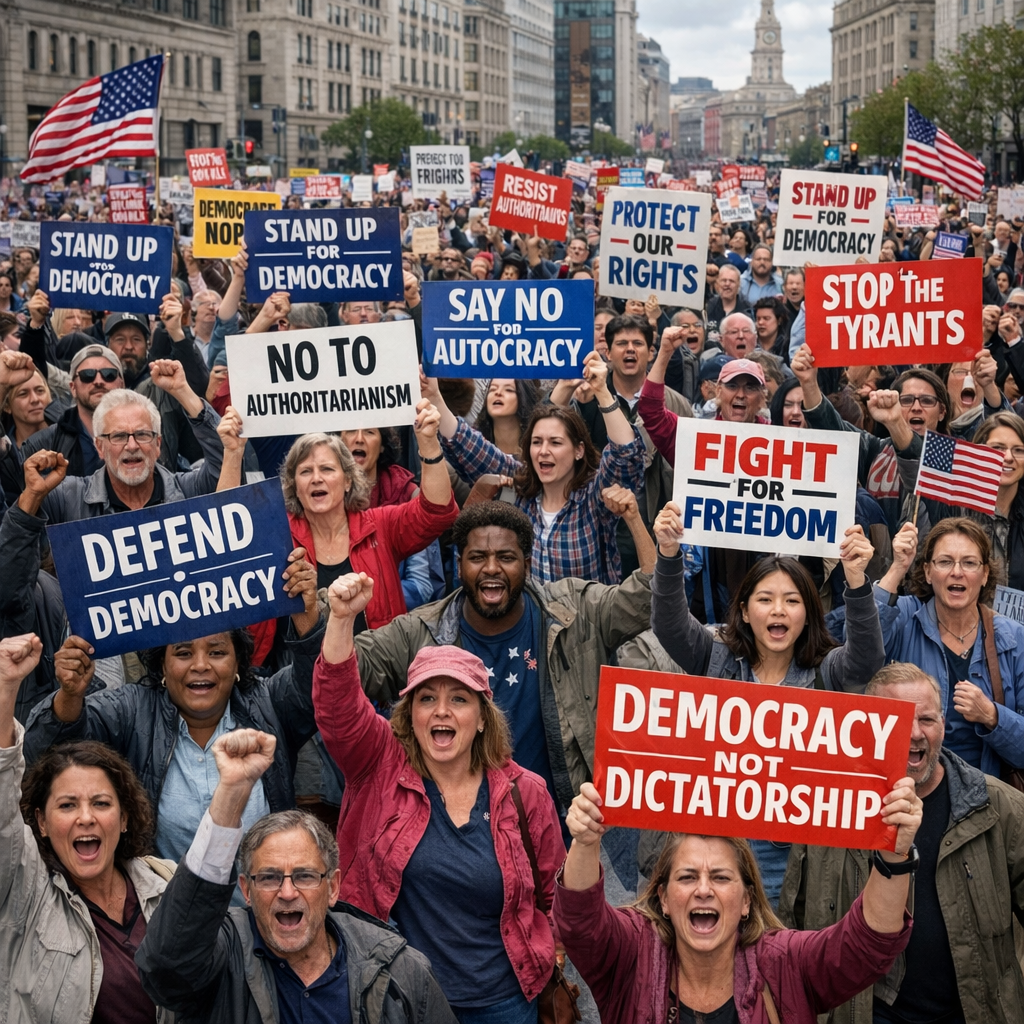
In recent months, the ‘No Kings’ movement has gained significant traction across the United States, advocating for the preservation of democratic principles and expressing opposition to perceived authoritarian tendencies in government. This grassroots initiative has resonated with many Americans, including residents of Boulder, Colorado, who value civic engagement and the protection of individual freedoms.
Origins and Objectives of the ‘No Kings’ Movement
The ‘No Kings’ movement emerged as a response to concerns over executive overreach and the erosion of democratic norms. Participants advocate for transparency, accountability, and the upholding of constitutional checks and balances. The movement’s name symbolizes a rejection of autocratic leadership and a commitment to the foundational principles of American democracy.
Nationwide Demonstrations and Public Response
On March 28, 2026, ‘No Kings’ rallies were held in various cities across the U.S. and Europe. In St. Paul, Minnesota, thousands gathered on the Capitol lawn, with notable figures like Bruce Springsteen headlining the event. Springsteen performed ‘Streets of Minneapolis,’ a song addressing recent incidents involving federal agents, and praised the state’s residents for their active resistance to aggressive immigration enforcement policies.
Similar demonstrations took place in cities ranging from New York to Driggs, Idaho, indicating the movement’s widespread appeal. Organizers reported over 3,100 events across all 50 states, with an estimated nine million participants, reflecting a growing public demand for adherence to democratic values.
Implications for Boulder and Local Engagement
While Boulder did not host a flagship event, the city’s history of political activism and community involvement aligns with the ‘No Kings’ movement’s ethos. Residents have previously mobilized around issues such as environmental protection, social justice, and government transparency. The movement’s emphasis on democratic principles resonates with Boulder’s commitment to civic participation and grassroots advocacy.
Local organizations and community leaders may find inspiration in the ‘No Kings’ movement to further engage citizens in dialogues about governance, civil liberties, and the importance of maintaining democratic institutions. By fostering open discussions and encouraging active participation, Boulder can contribute to the broader national conversation about the future of democracy in the United States.
Conclusion
The ‘No Kings’ movement serves as a reminder of the enduring importance of democratic values and the role of citizen engagement in preserving these principles. As the movement continues to evolve, communities like Boulder have the opportunity to reflect on their own commitments to democracy and consider how they can contribute to a more transparent and accountable government.