

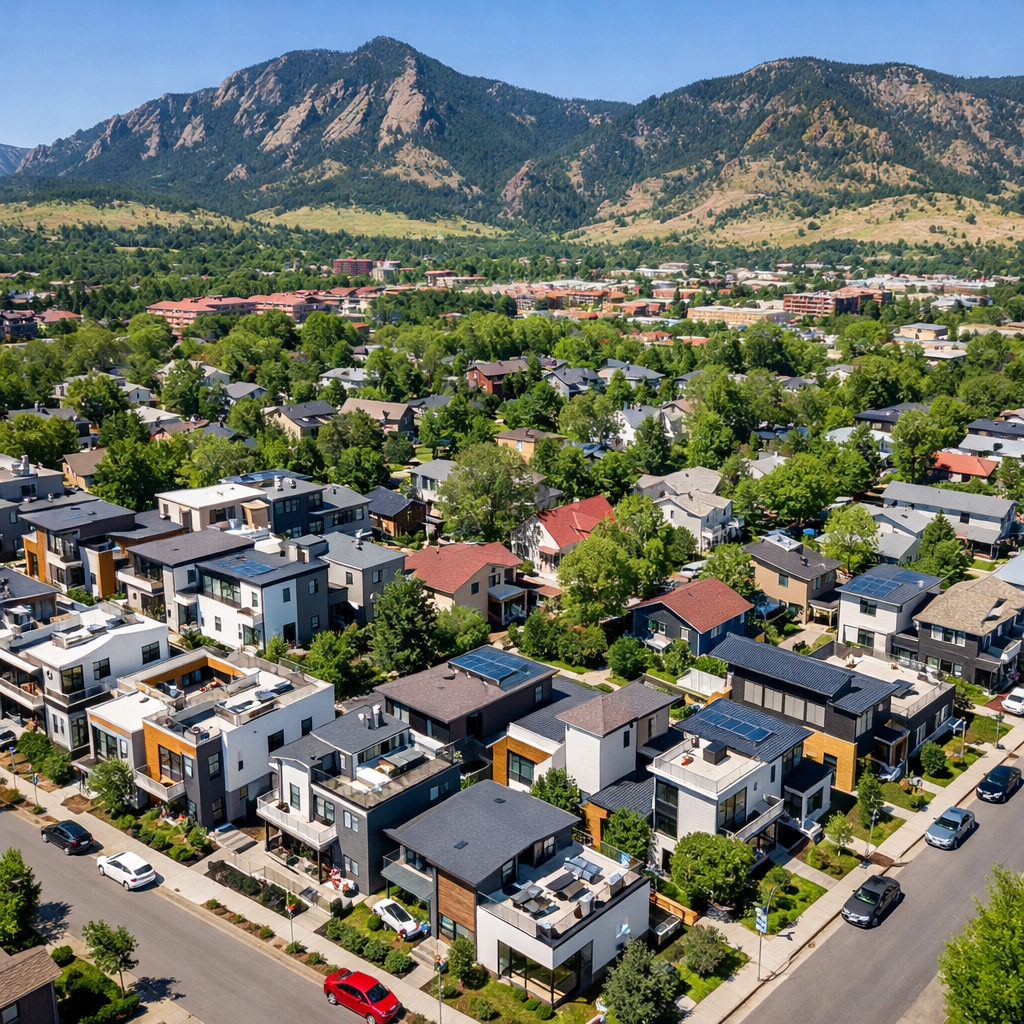
Boulder’s real estate market is experiencing notable shifts, reflecting broader economic trends and local developments. Understanding these changes is crucial for prospective buyers, renters, and investors.
Market Trends
Recent data indicates a softening in home prices. In March 2026, the median sale price was $819,175, marking an 11.9% decrease from the previous year. Despite this decline, the market remains somewhat competitive, with homes receiving an average of two offers and selling in approximately 52 days. The median price per square foot has risen by 12.1% year-over-year, reaching $550, suggesting sustained demand for well-located properties.
Rental Market Dynamics
The rental sector presents a mixed picture. From 2020 to 2025, student housing rents in Boulder increased by 16.8%, while broader market-rate rents climbed 22.4% during the same period. This disparity highlights the unique pressures within the student housing segment, contributing to the overall cost of attending institutions like the University of Colorado Boulder.
Development Projects
Several development initiatives aim to address housing needs and enhance community amenities:
Spine Road
Spine Road is a planned mixed-use development designed to serve Boulder’s workforce community. The project includes 230 residences, a library, café, art studio space, and various amenities. Centered around a park and mobility hub, it encourages alternative transportation methods, promoting a pedestrian-friendly environment.
HUB 28th St
Targeting the student population, HUB 28th St is a 96-unit housing project offering spacious residences with features like an indoor/outdoor lounge, rooftop pool, and fitness center. The design emphasizes sustainability and accessibility, fostering a vibrant living environment for students.
Pearl Arts District
A proposal by Conscience Bay Co. envisions transforming an underutilized area near Boulder Junction into the Pearl Arts District. Spanning 11 acres, the plan includes a 2,500-seat performing arts venue, 55,000 square feet of arts and cultural spaces, housing, retail, and a hotel. This development aims to create a cultural hub on the city’s eastern edge.
Accessory Dwelling Units (ADUs)
In response to housing shortages, Boulder has eased ADU regulations. Studio Home, a local company, is launching a national franchise model to expand backyard housing solutions. This initiative allows regional operators to build ADUs, tiny homes, and detached studios more efficiently, addressing the growing demand for alternative housing options.
As Boulder’s real estate landscape continues to evolve, staying informed about these trends and developments is essential for making well-informed decisions in the housing market.